The Long Exhale
How Heated Rivalry turns a hockey romance into a story about fear, visibility, and choosing yourself.

As literary adaptations go, few have generated as much quiet, fervent anticipation as Heated Rivalry. The series, developed for Canada’s Crave and based on Game Changers by Rachel Reid, was never meant to be a global event. And yet, long before a full international rollout has even materialized, it already feels like one. I find myself waiting for new episodes the way people once waited for Sunday night television. Invested. Seated. Fully aware that something bigger than a show is happening here.
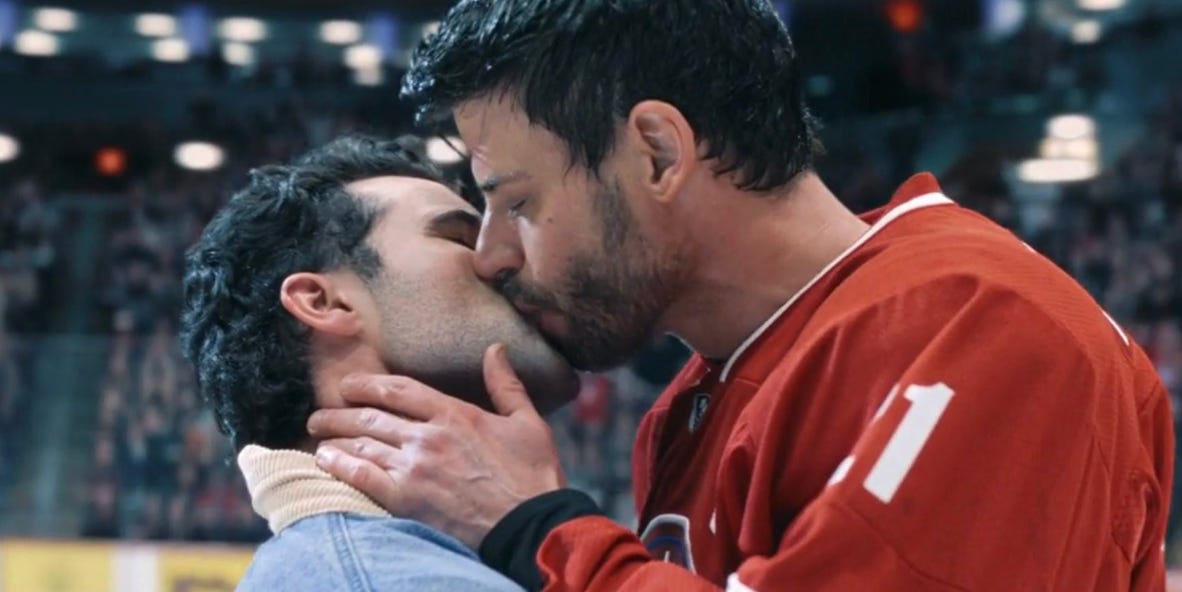
That tension, between intimacy and scale, secrecy and spectacle, is precisely what Heated Rivalry is about.
Reid’s original novels, published between 2019 and 2023, built an intensely devoted readership by centering queer relationships inside one of the most aggressively masculine spaces imaginable: professional hockey. Yes, the books are romantic. Yes, they are explicit. But they are also emotionally precise in a way that feels almost radical. They insist on interiority where the culture has long demanded silence. Each installment of Game Changers follows a different couple, but Heated Rivalry, the most beloved of them all, tracks the long, volatile relationship between two elite rivals who are forced to keep their love hidden in plain sight.
It is easy, and frankly common, to dismiss stories like this as “smut.” To flatten them into fantasy. To write them off as unserious. But that reflex says far more about our discomfort with queer desire than it does about the work itself. What Reid understood early on, and what the television adaptation makes painfully clear, is that sex, secrecy, and fear are often braided together for people who grow up learning that authenticity comes with consequences.
Reid has spoken openly to the New York Times about why hockey, and why Canada. She has pointed to the sport’s long history of homophobia, of locker room norms and scandals that were minimized, dismissed, or quietly absorbed as part of the culture. And despite the N.H.L.’s increasingly visible commitments to inclusion, the fact remains that, to this day, there has never been an openly gay, active player to come out while still in the league. Several players have done so after retirement. None have done so mid-career. That absence is not theoretical. It is structural. And Heated Rivalry never lets you forget it.
What makes the series compelling is not simply that it tells a queer love story, but that it refuses to make that story clean or comfortable. One of its central figures is a Russian player navigating not only league expectations, but the cultural and political weight of a country where queerness can be dangerous. Another lives in such deep fear of exposure that he clings to a heterosexual relationship as armor. These are not villains. They are people surviving systems that taught them how to hide.
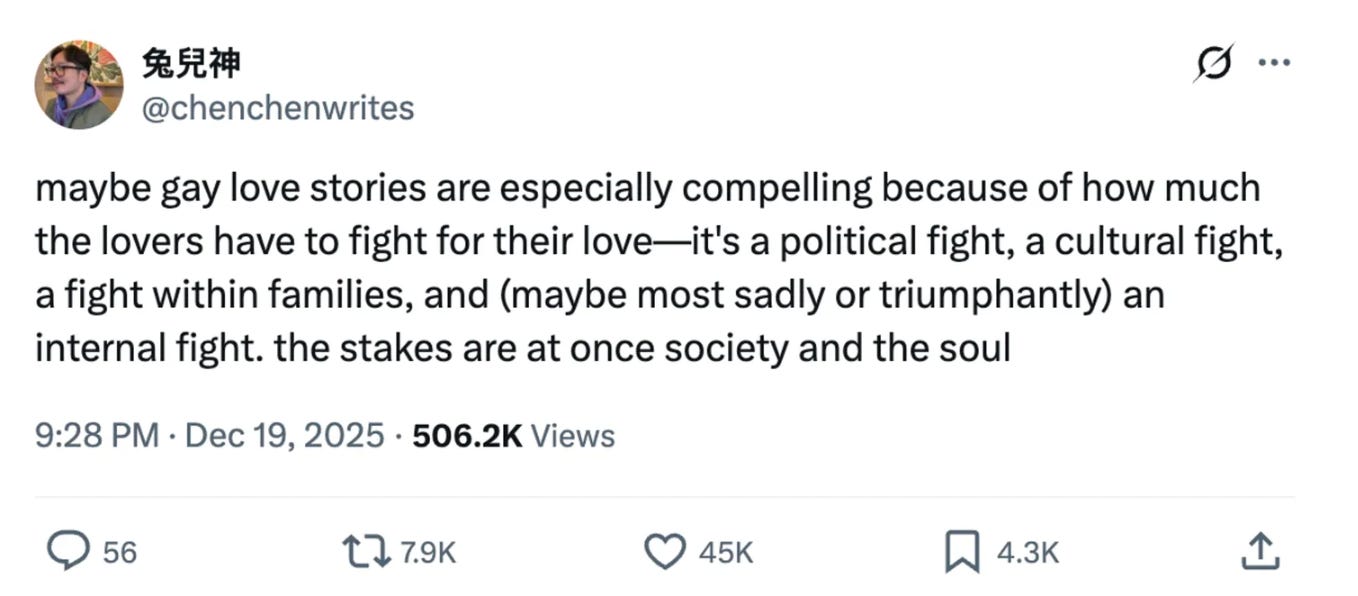
And then there is the most recent episode.
I want to pause here, because something happened when it aired. You could feel it almost immediately. On X, reactions were not ironic or detached. They were visceral. People wrote about the way their chests tightened. About tears they did not expect. About a breath being held, and then finally released.
The episode centers on Scott Hunter and Kip Grady, a couple who are not the primary focus of the series but who anchor the first book in Reid’s world. Earlier episodes let us watch them fall in love slowly, unevenly. Kip is out. Scott is not. Kip carries the quiet ache of loving someone who cannot fully claim him. Scott loves Kip deeply, openly, but only in private, only where the stakes feel survivable.
That imbalance is painfully familiar.
Episode three made it clear just how much Kip was holding back. The fear of not being invited into Scott’s full life. The loneliness of being loved in the shadows. Episode five shattered something else entirely.
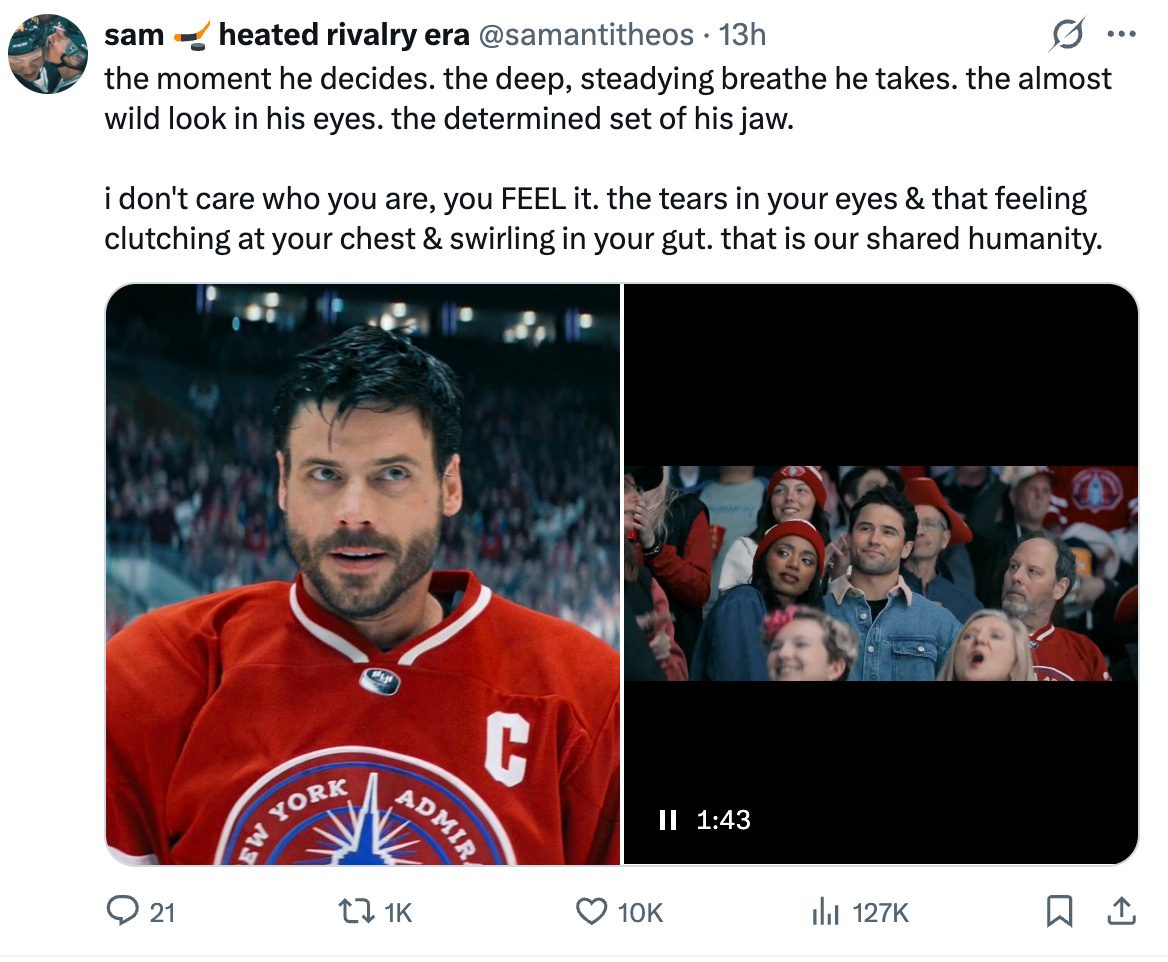
After winning the championship game, Scott looks into the crowd, finds Kip, and makes a decision. He beckons him down to the ice. In front of his teammates. In front of the league. On national television. And he kisses him.
No joke. No softening of the moment. Just resolve.
It is gut-wrenching not because it is dramatic, but because it is believable. Even now, even in 2025, coming out can still be terrifying. Even life-altering. Dangerous, in ways people like to pretend no longer exist. That is why this episode has resonated so deeply, why it has become one of the highest-rated episodes on IMBD of all time. It is not fantasy. It is release.
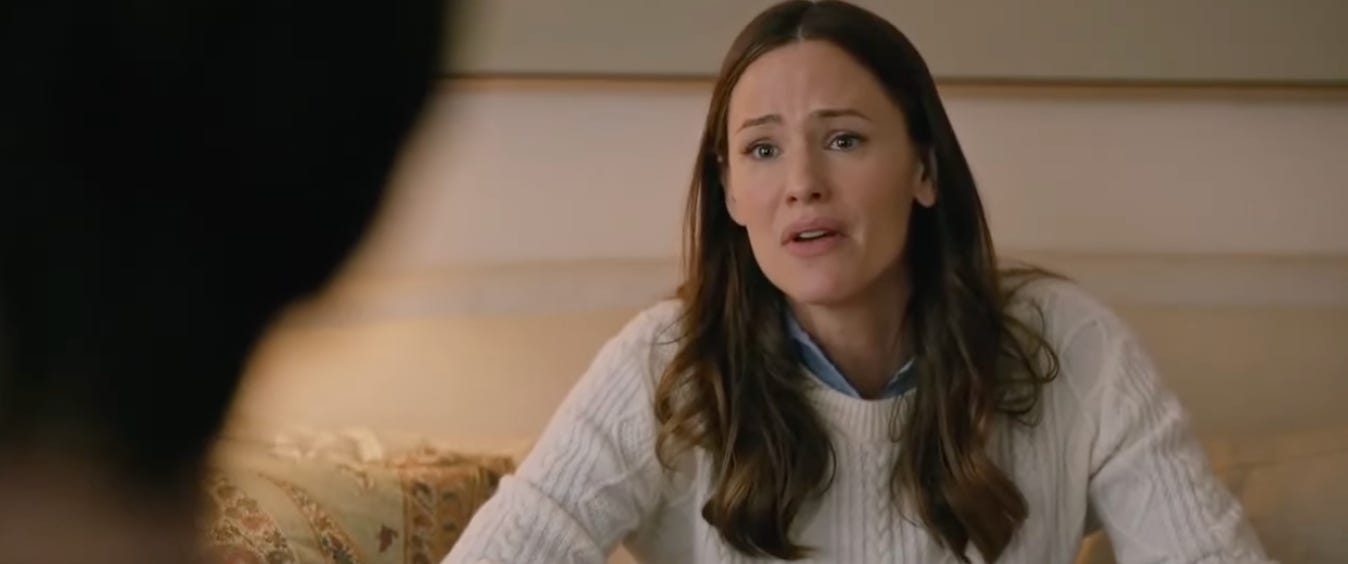
Watching it, I could not help but think of Love, Simon, of the moment when Simon’s mother tells him he gets to exhale now. That he gets to be more himself than he has been in a very long time. That he deserves everything he wants.
Simon: Did you know?
Emily: I knew you had a secret. When you were little, you were so carefree. But these last few years, more and more, it almost like I can feel you holding your breath. I wanted to ask you about it, but I didn’t wan to pry. Maybe I made a mistake.
Simon: No. No, mom, you didn’t make a mistake.
Emily: Being gay is your thing. There are parts of it you have to go through alone. I hate that. As soon as you came out, you said, “Mom, I’m still me.” I need you to hear this: You are still you, Simon. You are still the same son who I love to tease and who your father depends on for just about everything. And you’re the same brother who always complements his sister on her food, even when it sucks. You get to exhale now, Simon. You get to be more you than you have been in... in a very long time. You deserve everything you want.
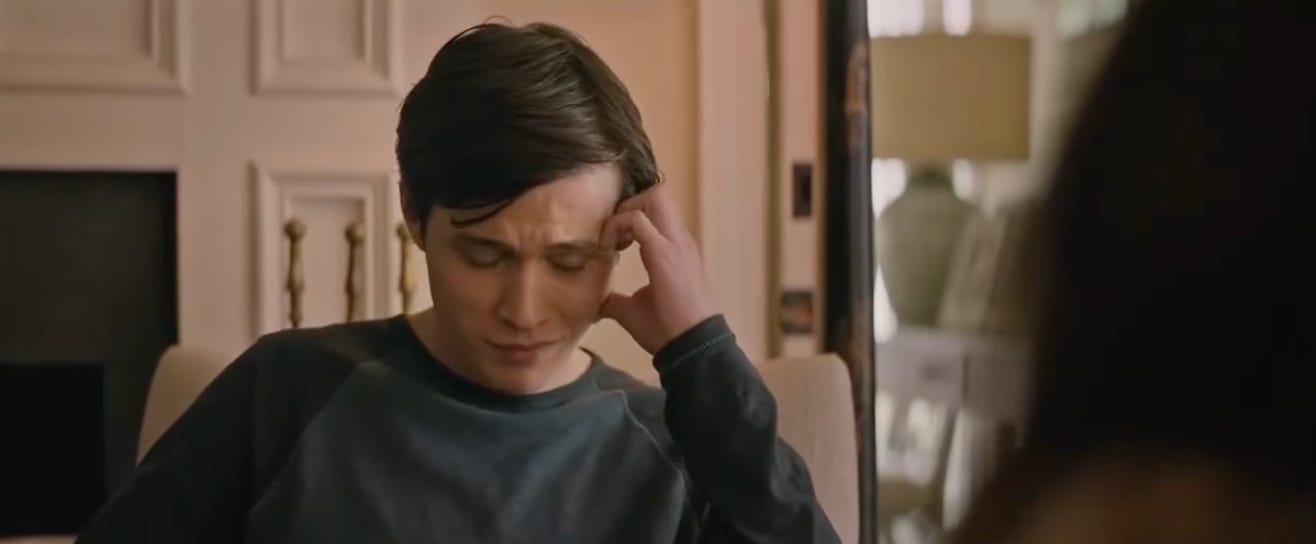

Heated Rivalry captures that same exhale, but without the safety net. There is no guarantee of applause. No assurance that everything will be okay. Just the decision to stop hiding.
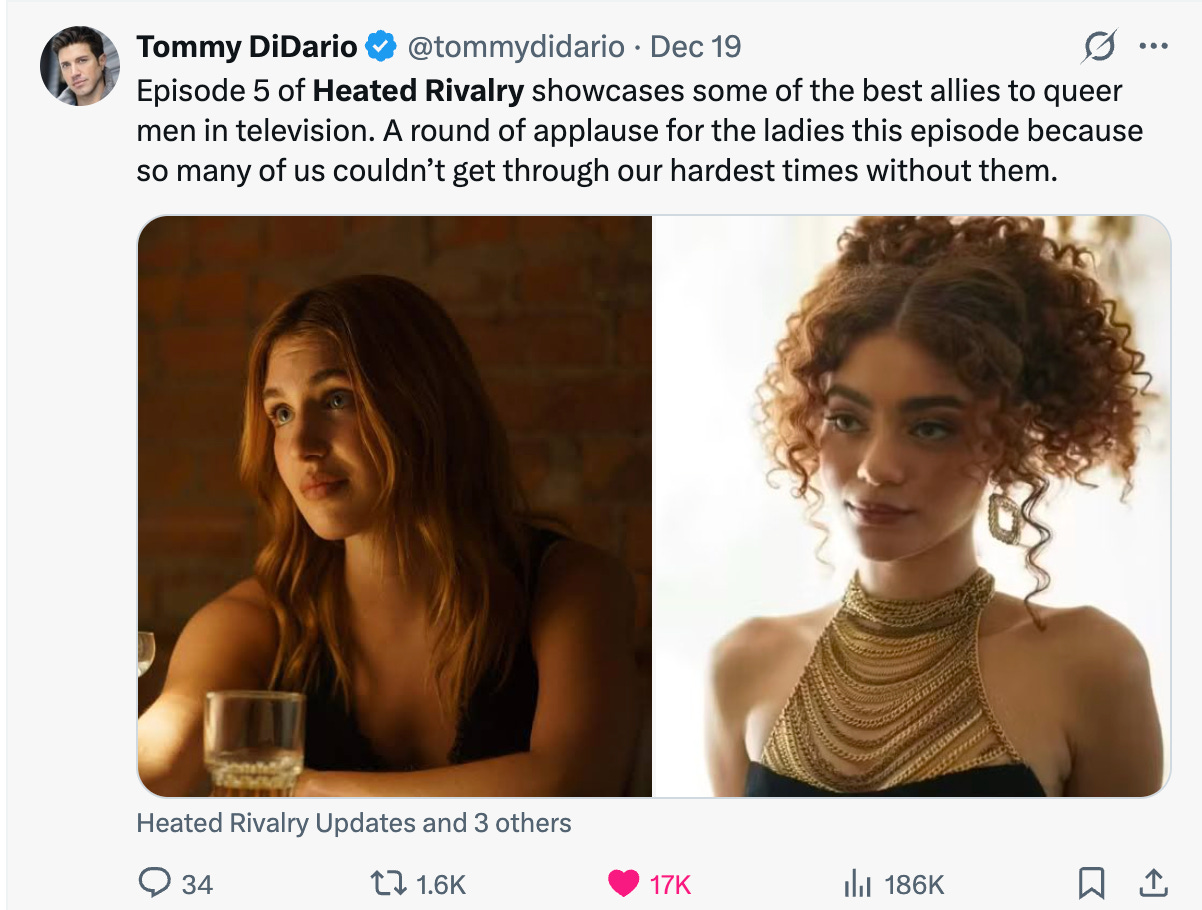
And let’s talk about the women of Heated Rivalry, from the beard to the best friend, who meet Shane Hollander and Ilya Rozanov with open arms, offering acceptance without conditions, regardless of the stakes.
When I first started this show, I assumed I knew exactly what it would be. Two attractive hockey players. A lot of sex. High heat, low stakes. Another story that might quietly reinforce the idea that gay men are incapable of depth, commitment, or restraint. I was wrong.
What Reid offers instead is something much harder and much more honest: a meditation on how long it can take to choose yourself, and how terrifying that choice can be when everything you have built seems to depend on silence.
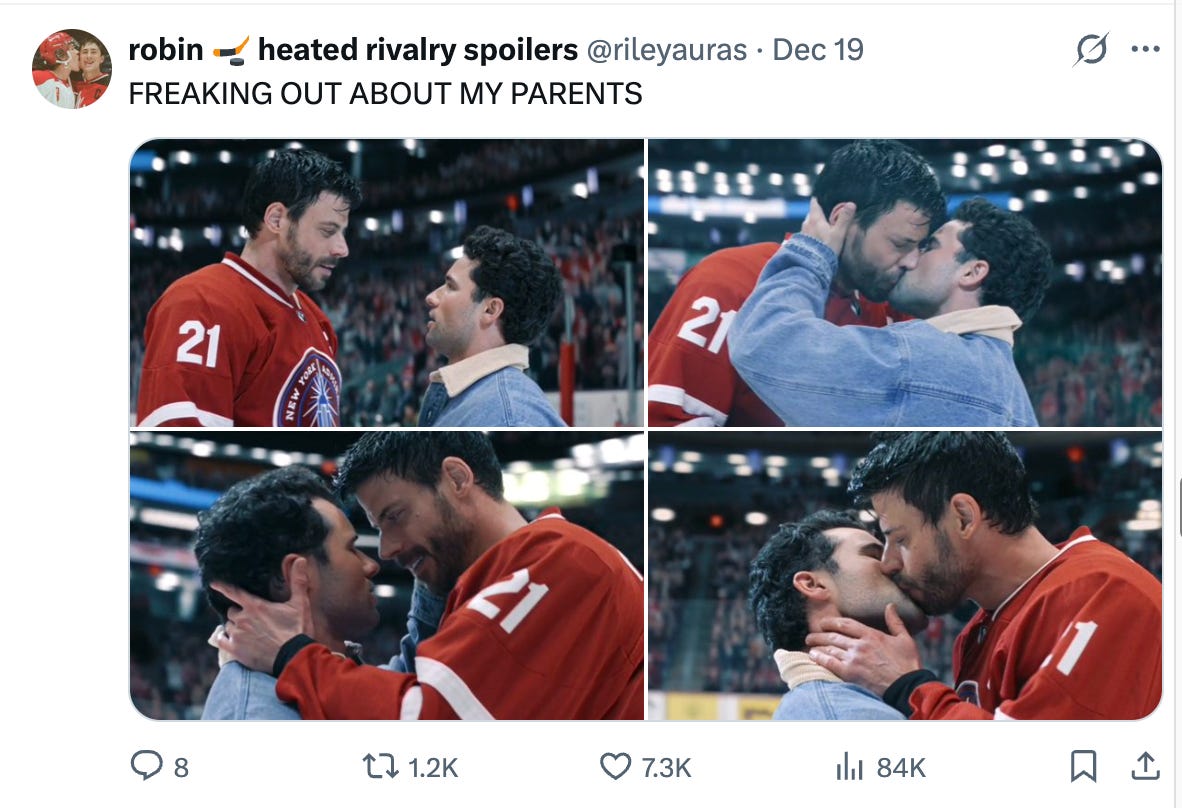
That is why Heated Rivalry matters. Not because it is explicit. Not because it is trendy. But because it insists, without apology, that queer lives are worthy of complexity. That love is often messy. That fear does not negate devotion. And that sometimes the bravest thing a person can do is step forward, take a breath, and be seen.
I think about my seventeen-year-old self, who used Love, Simon as a quiet guide toward coming out to my family and friends, and about how this kind of representation will do the same for others, gay, bi, lesbian, whatever the label may be. To see Shane and Ilya recognize themselves on screen is a reminder of the power of being seen at all.
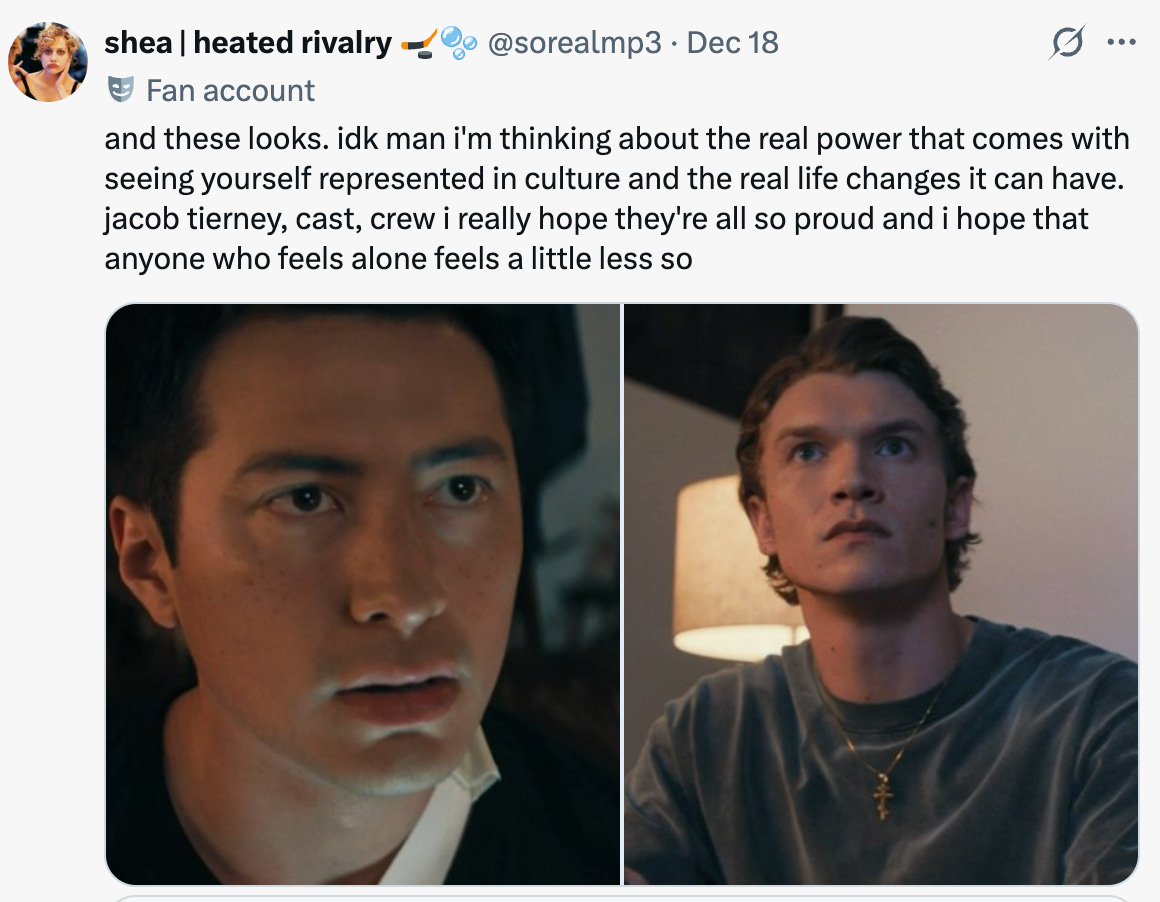
In a culture still uneasy with men who love men and refuse to disappear, that insistence feels quietly radical. And deeply human. When Ilya rushes to the hospital to check on Shane, panic written across his face, when he loses himself on the rink at the sight of Shane’s injury, it sends a simple but powerful message: queer love is not different from straight love. It carries the same fear, the same urgency, the same instinct to risk everything for the person you love. When you are in love, health and safety are not abstractions. They are life and death.
Let’s go to the cottage. If you know, you know

.
Love, Sami
You captured all the tiny details so well! I barely watched that episode—just a little—but after reading this, I feel like I need to go back and watch it again. I was more interested in the lead couple’s story. Really nice article!
a truly brilliant article, Sami. you have now very much sold me on this show, which i will be watching with a pint of ice cream. i love the view of “queer love is just as genuine as straight love” a bunch in this post especially because i haven’t seen this message being stated like this in such a way before! i’m bisexual, so i’m “playing for both sides”, and in all the relationships i have been in, whether that be a sapphic one or a mlw one, both had made me feel genuine love, fear, admiration, and rawness like no other.
great work!